
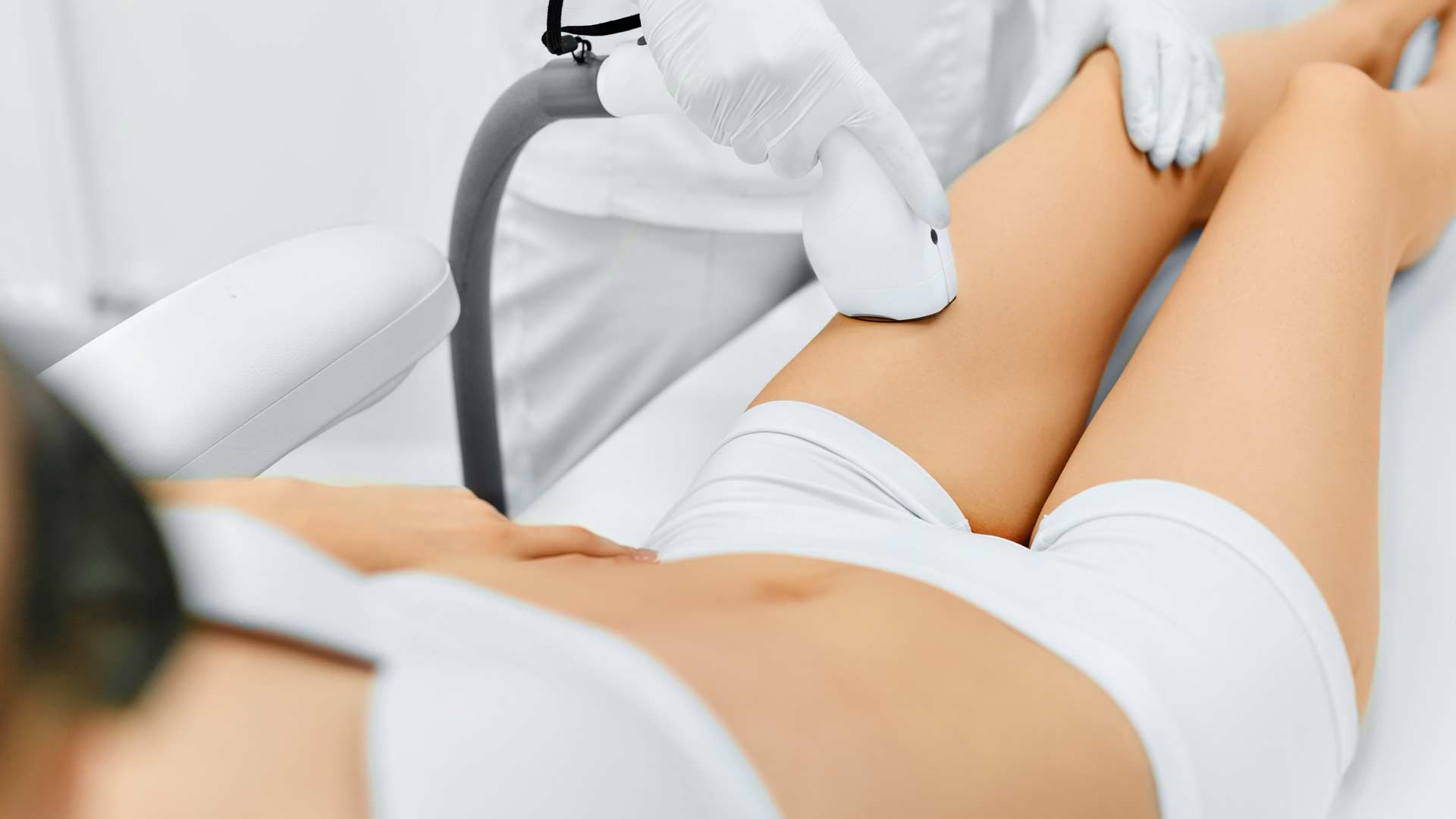
Choosing a machine for professional laser hair removal can be confusing, with so many choices and technical options, it’s important to research the technology and understand the differences in order to select the machine for your requirements. One of the first choices you will need to make is whether to go for IPL or Diode Laser technology.
IPL / Diode Laser Overview
Diode lasers and IPL (Intense Pulsed Light) are both widely used in aesthetic treatments, but they operate in very different ways and can be used to address a variety of skin concerns.
A diode laser produces a focused wavelength of light that is selectively absorbed by melanin in the hair follicle. This light energy is converted into heat, which damages the follicle and inhibits future hair growth. Depending on the wavelength and treatment settings, diode lasers can also be used to target certain pigmentation concerns.
IPL, on the other hand, is not technically a laser. It uses a broad spectrum of wavelengths that penetrate the skin to different depths and can target a variety of chromophores, including melanin and haemoglobin. This makes IPL a versatile technology for treatments such as hair reduction, pigmentation, redness and general skin rejuvenation. IPL can also encourage collagen production, helping to improve the overall appearance, tone and texture of the skin.
Understanding Laser Hair Removal Technology
The basic principle behind laser hair removal is selective photothermolysis. Specific wavelengths of light and pulse durations are selected to target the melanin within the hair follicle while minimising the effect on the surrounding skin.
Melanin is the natural pigment responsible for the colour of our hair and skin. By targeting the pigment within the hair follicle, light energy can be converted into heat and used to damage the follicle sufficiently to reduce future hair growth.
Understanding Diode Laser Hair Removal
One of the key factors in effective diode laser hair removal is delivering sufficient energy to the hair follicle while protecting the surrounding skin.
Diode lasers use a specific wavelength that is strongly absorbed by melanin. As the light energy is absorbed, it is converted into heat, which damages the hair follicle and interferes with its ability to produce new hair.
Modern professional diode laser systems can also incorporate advanced cooling technologies to help protect the surface of the skin and improve patient comfort during treatment. Systems such as Lumex OCTI-Lase, for example, incorporate contact cooling to help keep the skin comfortable throughout the procedure.
Depending on the technology, wavelength and settings used, diode laser systems can be suitable for a wide range of skin and hair types when operated correctly and with appropriate treatment protocols.
Understanding IPL Hair Removal
IPL, or Intense Pulsed Light, uses a broad spectrum of light rather than the single, specific wavelength produced by a diode laser. This means that multiple wavelengths are delivered during each pulse and can interact with different targets within the skin.
Because IPL light is broader and less selectively targeted than diode laser energy, a greater proportion of the light may be absorbed by areas other than the intended hair follicle. This can make treatment less selective for hair reduction and means that careful selection of settings is particularly important.
IPL can also carry a greater risk of unwanted effects, including burns or pigmentation changes, particularly when unsuitable settings are used or adequate cooling and skin protection are not provided.
The suitability of IPL for hair removal depends on the specific system, wavelength range, treatment settings and the individual client’s skin type. Appropriate assessment and professional training are therefore essential.
What Is the Difference Between Diode Laser Hair Removal and IPL?
The differences in how these two technologies deliver light can have an impact on treatment outcomes.
In general, IPL may require a greater number of treatment sessions and ongoing maintenance to achieve and maintain hair reduction. Diode laser technology offers a more targeted approach, allowing energy to be concentrated on the hair follicle while advanced cooling systems can help improve patient comfort.
Another important consideration is versatility. The suitability of either technology will depend on the specific device, its wavelength range, treatment parameters and the skin and hair characteristics of the client.
Which Is the Best Technology for Your Salon or Clinic?
When investing in aesthetic technology, client satisfaction, treatment results and return on investment are all important considerations.
Diode laser hair removal can be an attractive option for businesses looking to offer a dedicated, high-performance hair reduction treatment. However, not all diode laser systems are the same, so it is essential to look beyond headline specifications and consider factors such as build quality, cooling technology, wavelength options, power output, reliability and after-sales support.
Choosing a device with an appropriate Medical CE certification can also provide additional reassurance regarding regulatory compliance and product quality. Manufacturers operating within the medical device framework are generally required to meet much more rigorous quality and manufacturing standards, including relevant ISO certification where applicable.
How Much Do Professional Laser Hair Removal Machines Cost?
Professional laser hair removal machines can vary considerably in price depending on the manufacturer, technology, specifications and features.
As with most professional equipment, a very low purchase price does not necessarily mean better value. Less expensive systems may have limitations in terms of performance, reliability, durability, servicing or ongoing operating costs, potentially making them more expensive over the lifetime of the machine.
High-quality diode laser systems can be designed to deliver millions of pulses, helping to keep the cost per treatment relatively low. With IPL systems, businesses may also need to factor in ongoing costs associated with replacement flash lamps, handpieces or other components, depending on the system.
When comparing machines, it is therefore important to look at the total cost of ownership, rather than simply the initial purchase price.
Diode Laser Hair Removal Machine Specifications
When choosing a diode laser for your business, specifications such as spot size, power, wavelength and pulse settings can help you identify the system that best suits your treatment requirements.
The number of pulses required to treat an area can affect treatment times and operating costs. A smaller spot size may require more passes to cover a treatment area, while a larger spot size can allow for faster coverage.
However, a larger spot size must be supported by sufficient power and appropriate energy delivery. Looking at one specification in isolation can therefore be misleading; the overall performance of the system is what matters.
Quantum LASE, for example, is designed as a high-powered diode laser system with outputs of up to 4500 watts, multiple spot sizes and various wavelength options. These features are designed to provide flexibility when treating different skin and hair types, while its integrated cooling system is intended to maximise patient comfort.
Choose a device for your requirements
Both diode lasers and IPL have an important role within the aesthetic industry, but they work in different ways and are suited to different applications.
Diode lasers provide a more focused approach to hair reduction, making them particularly well suited to dedicated laser hair removal treatments. IPL, meanwhile, offers greater versatility and can be used for a broader range of aesthetic concerns, including pigmentation, vascular concerns, skin rejuvenation and hair reduction.
Ultimately, the best technology will depend on the treatments you want to offer, the clients you intend to treat and the performance, versatility and long-term value you expect from your investment.